
*Jonas Peres, Spanish contemporary artist and designer.
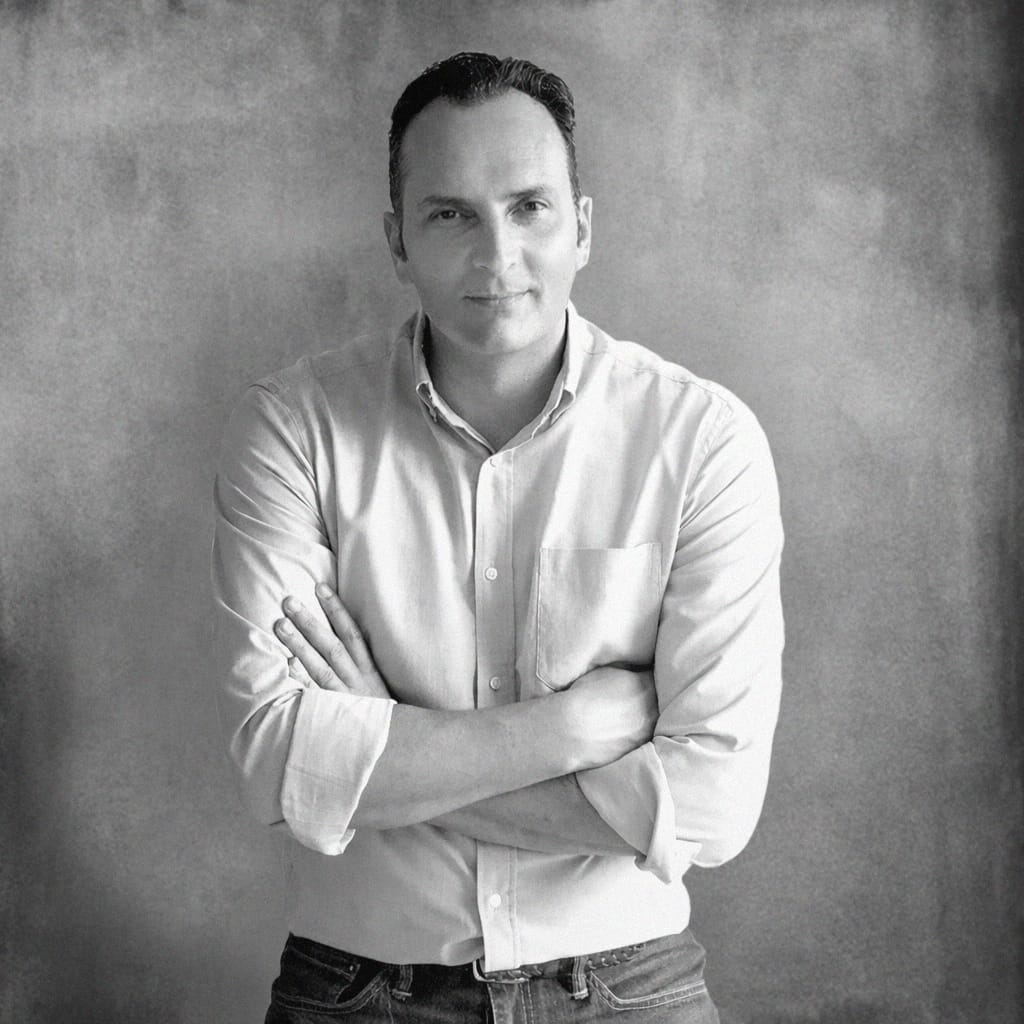
Jonas Peres, Madrid
“Jonas Peres creates a compelling dialogue between the spiritual depth of Mark Rothko and the cultural immediacy of Andy Warhol.” —NewArts/CP
Color, Light & Presence
His work explores how color can transform mood, how light can shape perception, and how presence can open a space for inner richness in contemporary life.
Jonas Peres is a Spanish visual artist based in Madrid, Spain; trained at the California Institute of the Arts, L.A, CA. with advanced studies in Modern Art at the Museum of Modern Art, MoMA, NYC.
From his earliest works, Peres has been fascinated by the emotional power of color and its ability to influence atmosphere, perception and experience. Through years of studying ancient civilizations, sacred iconography and modern abstraction — as well as his studies in History and Divinity at Yale University — he came to understand that traditional symbols no longer fully express contemporary spiritual sensibility. Rather than revisit historical imagery, he sought a new visual language capable of speaking directly to the emotional and perceptual landscape of the present.
During the late 1990s, while living in London, Peres was exposed to the energy of British pop-rock culture and the audacity of the Young British Artists movement. This encounter expanded his understanding of contemporary art as something capable of combining beauty, provocation, emotion and cultural immediacy — a balance that continues to inform both his artistic and design practice.
Alongside his artistic practice, Peres maintains an interest in the relationship between art, design and contemporary luxury. Through color, form and material refinement, he explores how aesthetic experiences can enrich everyday life and transform carefully crafted pieces into carriers of atmosphere, identity and desire.
He found that language in color — where light becomes visible and presence begins to emerge.
For Peres, color is never merely decorative. It is energy, atmosphere and the material presence of light. Through horizons, luminous fields and subtle chromatic transitions, his paintings create immersive environments where perception slows and presence emerges. →
“Jonas Peres creates luminous, dreamlike fields where color resonates with a subtle yet powerful emotional presence” —NewArts/CP
→ His works do not narrate belief; they generate experience.
Across his interconnected series — Horizon, Sanctum, Presence, Glory, Euphoria and Mystic — Peres explores distinct dimensions of color, light and presence: the threshold, the interior field, the centered manifestation, radiant elevation, ecstatic expansion and organic emergence.
Together, these bodies of work form a cohesive investigation into the emotional, perceptual and symbolic power of color — an exploration of how contemporary art can create spaces of contemplation, vitality and inner richness.
Influenced by the spiritual intensity of Mark Rothko and the cultural immediacy of Andy Warhol, Peres has developed a visual language situated between emotional abstraction and contemporary visual culture. What began as a vibrant, pop-inflected exploration of color has evolved into a broader investigation of chromatic fields as vehicles for atmosphere, perception and presence.
His works have been exhibited internationally, including presentations in Venice during the period of the Venice Biennale and at Art Basel Miami. His paintings are held in private collections across major art capitals including New York, London, Paris, Los Angeles, Miami, Chicago, Dubai, San Francisco, Seattle, Tokyo, Vatican City, Washington D.C., Lisbon, Tel Aviv, Madrid, Singapore, Berlin and Rome.
Select works form part of private collections located in White House Circle, Washington D.C., and within the Empire State Building in New York.
In parallel with his studio practice, Peres has collaborated with major cultural and media institutions including Universal Music, The New York Times Best Sellers, Penguin Random House, Paramount Pictures, Netflix, National Geographic and New York University, bringing his visual language into dialogue with global audiences.●
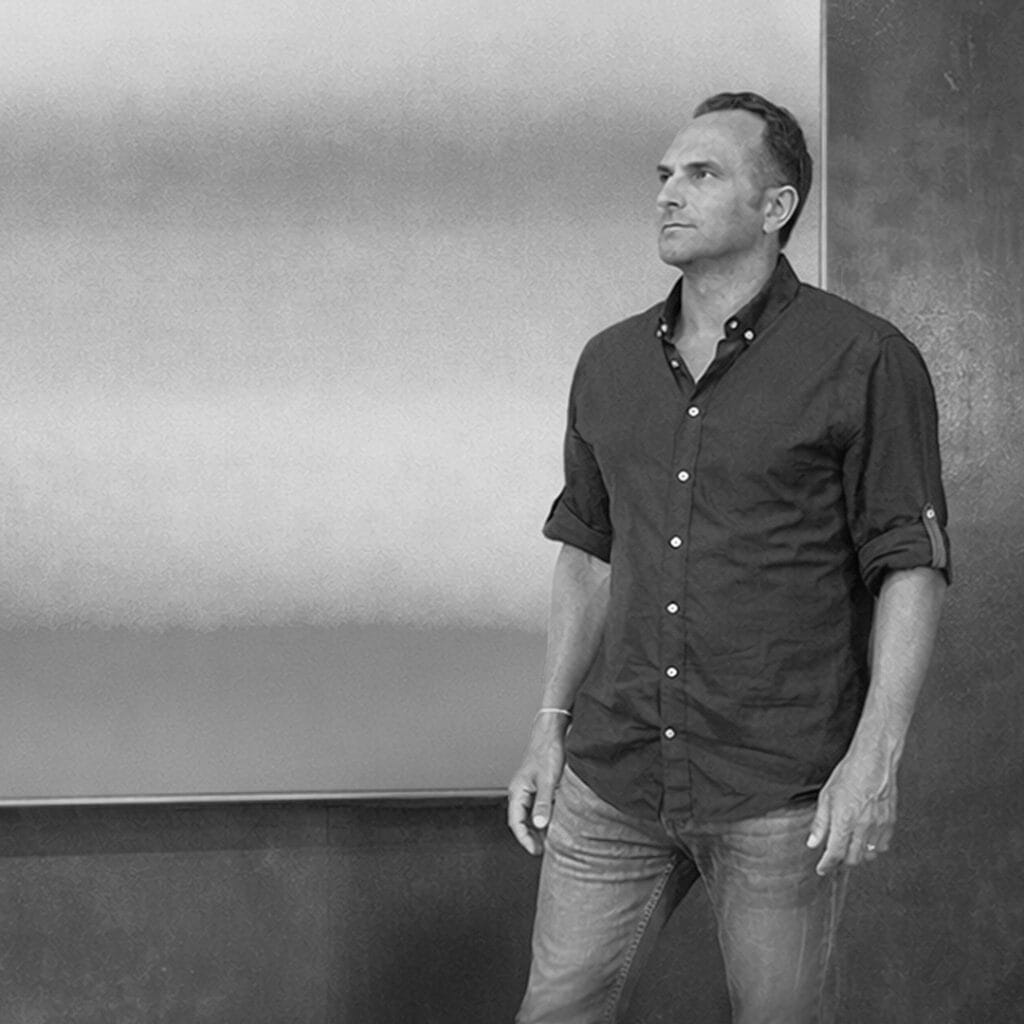
Jonas Peres, in the Studio
Jonas Peres Studio
Madrid | Spain collector@jonasperes.co
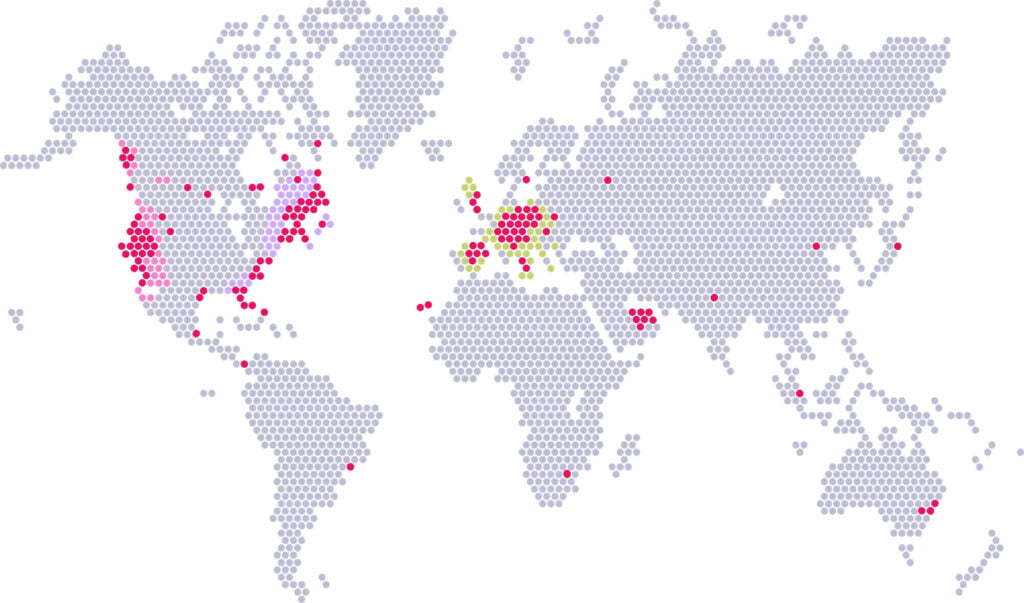
Map of artworks
around the world.
Jonas Peres Original Artworks.
Notes
Notes on Light
By Jonas Peres
I have long been drawn to the question of how the sacred has been made visible throughout history. From ancient civilizations to Renaissance altarpieces, artists sought to give form to what exceeds form — to render the invisible perceptible. …